
What Is Bouclé Yarn? A Crafter’s Complete Guide
12 Jun 2026

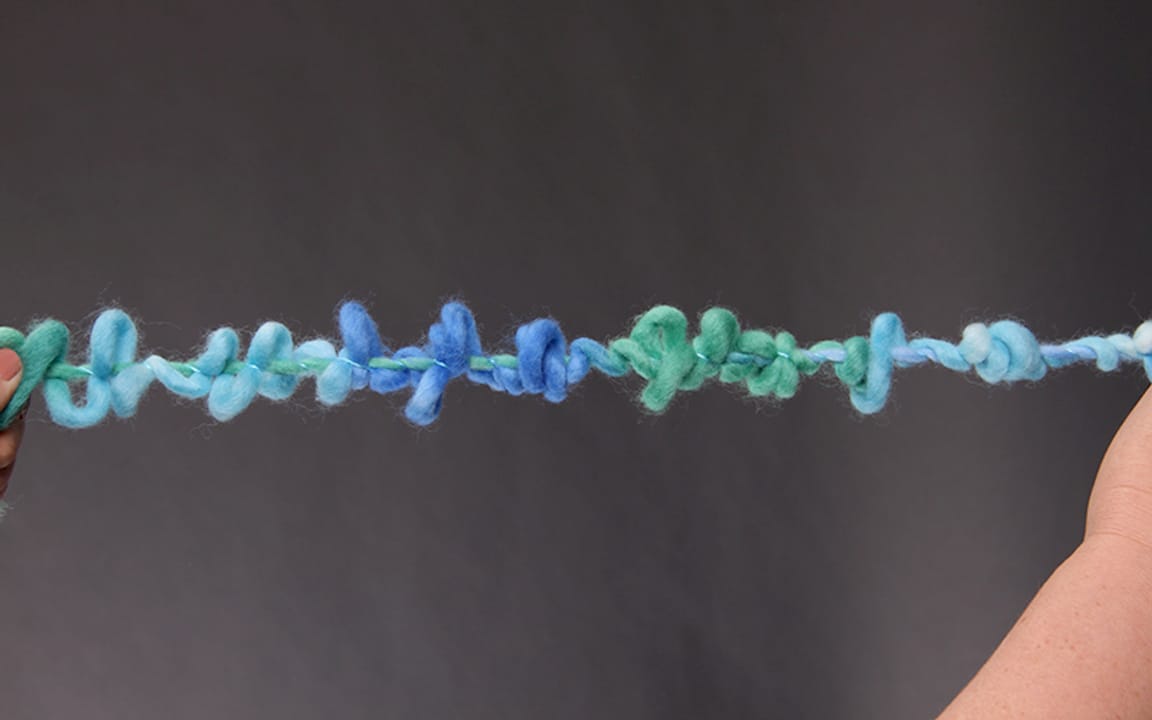
Bouclé yarn is defined as a textured yarn constructed from three twisted strands: a core yarn for strength, an effect yarn that forms characteristic loops or curls, and a binder yarn to secure the loops in place. The word “bouclé” comes from the French “boucler,” meaning to buckle or curl, and the style dates to 19th-century Europe where it was prized for its visual depth and tactile richness. Today, bouclé is one of the most distinctive specialty yarns available to knitters and crocheters, showing up in everything from cozy winter scarves to upholstered accent chairs. Understanding what is boucle yarn, how it is made, and how to work with it successfully will save you frustration and unlock some genuinely beautiful finished projects.
What is bouclé yarn and how is it made?
Bouclé yarn’s three-part twisted structure is what separates it from every other textured yarn on the market. The core yarn provides the structural backbone. The effect yarn, fed at a faster rate during spinning, buckles and forms the signature loops. The binder yarn then wraps around the assembly to lock those loops in position. Without all three components working together, the loops would flatten or unravel with use.
How fiber choice shapes the final texture
The fiber used for the effect yarn determines how lively and durable the loops feel. Mohair is the preferred effect fiber because its natural bend resistance keeps loops springy rather than flat. Wool creates soft, slightly heavier loops with good warmth retention. Cotton produces flatter, crisper loops that suit warmer-weather projects. Silk adds a subtle sheen and drape, while synthetic fibers like acrylic or nylon improve durability and machine-washability.
Here is a quick breakdown of common fiber types and their effects on bouclé texture:
-
Mohair: Springy, resilient loops that hold their shape wash after wash
-
Wool: Soft, lofty loops with excellent insulating properties
-
Cotton: Flatter loops with a clean, structured look suited for spring and summer
-
Silk: Lightweight loops with a luminous finish, best for decorative pieces
-
Acrylic or nylon blends: Durable, affordable loops that are easy to care for
Loop size also varies by construction. Tighter spinning produces small, dense nubs. Looser spinning creates larger, more dramatic curls. This variation is why two bouclé yarns sitting side by side on a shelf can look completely different even when made from the same fiber.
Pro Tip: When shopping for bouclé, squeeze the skein gently. If the loops spring back immediately, the fiber content is likely mohair or wool. If they stay compressed, you are probably holding a cotton or synthetic blend.
What are the best projects for bouclé yarn?
Bouclé yarn excels in projects where texture does the visual work so the stitch pattern does not have to. Its volume, softness, and durability make it a natural fit for fashion accessories and home textiles alike. That combination of properties is rare in a single yarn, which is part of why bouclé has remained popular across decades of changing craft trends.
Fashion and wearable projects
Cozy sweaters, cardigans, and ponchos are among the most popular bouclé yarn projects. The looped texture creates a fabric that looks expensive and feels substantial without requiring complex stitch work. Scarves and shawls are also excellent choices because the simple rectangular or triangular shapes let the yarn’s character shine. A Simple Knit Scarf in an acrylic bouclé, for example, produces a dramatically textured fabric with almost no technical difficulty.
Home décor and textile applications
Bouclé’s durability extends well beyond wearables. Consider these home project categories:
-
Throw blankets: The looped texture adds visual warmth and physical loft, making blankets feel plush and inviting
-
Pillow covers: Bouclé creates a tactile, upholstery-like surface that elevates simple home décor
-
Table runners and accent pieces: Cotton or silk bouclé adds texture without excessive bulk
-
Wall hangings: The dimensional loops create natural shadow and depth in fiber art
A Squishy Beginner Crochet Baby Blanket worked in simple single crochet rows produces a finished piece that looks far more complex than the technique requires. That gap between effort and result is one of the strongest arguments for choosing bouclé for home décor projects.
How to use bouclé yarn: techniques that work
Working with bouclé requires a few deliberate adjustments to standard knitting and crochet technique. The most important rule: use needles or hooks 1–2 sizes larger than the yarn label recommends for a non-bouclé yarn. Larger tools prevent the loops from being compressed between stitches, preserving the airy, lofted structure that makes bouclé so appealing. Squeezing loops flat with undersized tools defeats the entire purpose of the yarn.
Stitch patterns that highlight bouclé’s texture
Simple stitch patterns are the correct choice for bouclé, not a compromise. Garter stitch in knitting and single crochet in crochet both create a dense, even surface that lets the yarn’s loops read clearly. Stockinette is another reliable option for knitters. Complex lace or cable patterns disappear entirely beneath bouclé’s texture, making the extra effort pointless and the stitches nearly impossible to track.
Follow these steps when starting a bouclé project:
-
Swatch first. Work a 4-inch square in your chosen stitch before committing to the full project. Bouclé gauge can differ significantly from the label estimate.
-
Go up in tool size. Select a needle or hook 1–2 sizes larger than recommended for that yarn weight to keep loops open and fabric light.
-
Set your tension deliberately. Relaxed, consistent tension allows each stitch to form cleanly without crushing the loops around it.
-
Use good lighting. Bright, direct light makes it easier to distinguish the actual stitch from the surrounding loops.
-
Feel for the stitch. Run your fingertip along the row and locate the “V” shapes of individual stitches by touch when your eyes cannot find them easily.
-
Choose forgiving patterns. Straight scarves, simple throws, and rectangular shawls minimize the need to count stitches or frog rows.
Pro Tip: Place a stitch marker at the beginning of every row. Bouclé’s loops make it genuinely difficult to identify row starts visually, and a marker eliminates that confusion entirely.
What challenges come with bouclé yarn?
Bouclé is not a beginner yarn in the traditional sense, even though the stitch patterns it suits are simple. The texture creates specific technical challenges that catch crafters off guard if they are not prepared. Knowing these challenges in advance makes them manageable rather than discouraging.
The biggest frustration most crafters encounter is stitch visibility. The loops obscure the stitch structure, making it hard to count rows, find dropped stitches, or confirm correct stitch counts. Using tactile methods and bright lighting to locate stitches by feel rather than sight is the most reliable solution. Running a finger along the fabric to find the “V” of each stitch takes practice but becomes second nature quickly.
Frogging, or unraveling rows to fix a mistake, is the other major difficulty. Bouclé loops act like Velcro when pulled back, snagging on themselves and on the needle or hook. Repeated frogging degrades the yarn’s looped structure and can permanently damage the skein. The practical solution is to avoid frogging altogether by planning carefully, swatching thoroughly, and choosing patterns with minimal stitch complexity.
“Treating bouclé yarn as you would smooth yarn leads to frustration. Embracing its texture means using simple stitches that highlight its nubby look rather than fighting against it.” — Boucle Yarn Crafter’s Guide
A few additional challenges worth knowing:
-
Snagging on tools: Rough or splintered needle tips catch loops and pull them out of position. Use smooth, polished metal or resin needles with rounded tips.
-
Difficulty joining new yarn: The looped texture makes splice points hard to hide. Join at the end of a row whenever possible.
-
Uneven tension across a project: Bouclé amplifies tension inconsistencies. Check your grip regularly and take breaks if your hands tighten up.
Practicing stitch placement on a swatch before starting a full project is the single most effective way to avoid costly mistakes. A 10-minute swatch saves hours of frustration on a sweater or blanket.
Key takeaways
Bouclé yarn rewards crafters who understand its structure and adapt their technique accordingly, making simple stitch choices and proper tool sizing the foundation of every successful project.
Point |
Details |
|---|---|
Three-part structure |
Bouclé is built from a core yarn, an effect yarn for loops, and a binder yarn to hold them in place. |
Fiber choice matters |
Mohair creates the most resilient loops; wool adds warmth; cotton and synthetics suit lighter or durable projects. |
Go up in tool size |
Use needles or hooks 1–2 sizes larger than the label recommends to preserve loop structure and fabric loft. |
Simple stitches win |
Garter stitch, stockinette, and single crochet showcase bouclé’s texture better than complex patterns ever will. |
Avoid frogging |
Plan carefully and swatch first, since unraveling bouclé damages its loops and frustrates even experienced crafters. |